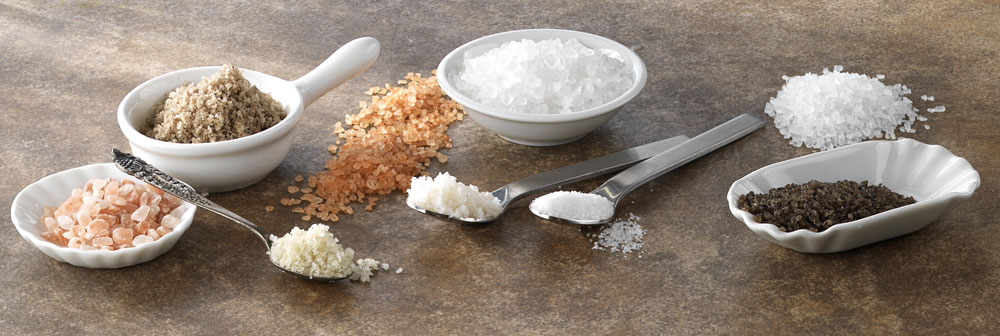
Sea salt is produced by evaporating seawater — either through solar evaporation in shallow ponds or by industrial processing. Unlike refined table salt (which strips minerals and adds iodine and anti-caking agents), quality sea salt retains trace minerals that contribute subtle flavor complexity.
Sea Salt vs. Table Salt
Table salt is 99%+ pure sodium chloride — uniform, dry, and fine. Sea salt contains small amounts of minerals like magnesium, calcium, and potassium, which can contribute a more rounded, complex flavor. The real practical difference, however, is texture and application.
Grades and Uses
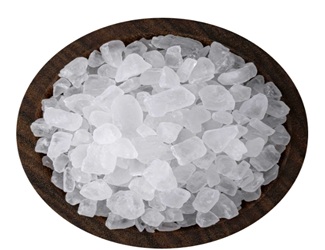
Coarse sea salt — Use for brining, pickling, pasta water, and rimming cocktail glasses. Excellent as a finishing salt at the table where the larger crystals add pleasant crunch.
Fine sea salt — Use in baking and cooking wherever salt needs to dissolve evenly. Direct substitute (1:1 by weight) for table salt.
Flaked sea salt — Large, flat crystals with a delicate crunch. Best as a finishing salt over chocolate, caramel, eggs, and salads.
Peppercorn and Salt Pairing
Our most popular combo: fill a two-chamber grinder with fine sea salt and rainbow mixed peppercorns. Grind together over food at the table for the perfect classic seasoning.