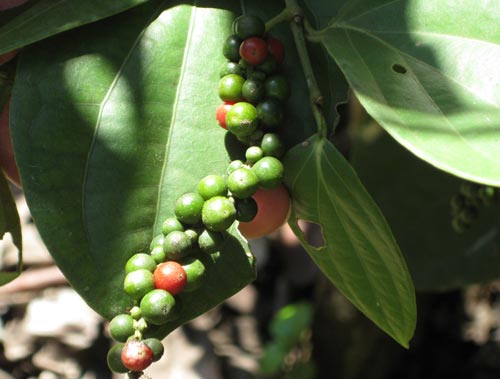
Peppercorns may be the single most historically significant food item in human history. The tiny black berry shaped empires, funded explorations, and started wars. Here is that story.
Ancient Origins
Black pepper (Piper nigrum) is native to the Western Ghats of Kerala, India — specifically the Malabar Coast, which lends its name to one of the two main commercial grades still sold today. Peppercorns have been cultivated and traded for at least 4,000 years.
The earliest written records of pepper date to ancient Sanskrit texts. By the time of ancient Greece, pepper was reaching the Mediterranean via overland Silk Road routes — expensive, exotic, and enormously prized.
The Roman Obsession
Ancient Rome was pepper-obsessed. The Roman cookbook Apicius (compiled in the 4th–5th century AD) references pepper in the vast majority of its recipes — not just savory dishes but sweet ones too. Roman physicians used it medicinally.
Peppercorns were so valuable they functioned as currency. When Alaric the Visigoth besieged Rome in 408 AD, one of his demands was 3,000 pounds of pepper as tribute — alongside gold and silver. When archaeologists unwrapped the mummy of Rameses II in 1881, they found black peppercorns stuffed into his nostrils as part of the embalming ritual.
The Medieval Spice Trade
Throughout the medieval period, Arab traders controlled the overland pepper routes from India to Europe, allowing them to charge enormous premiums. European buyers had no direct access to the source.
Pepper was used not just as seasoning but as a preservative, a medicine, and a symbol of wealth. Peppercorns were accepted as rent payment in medieval England — giving rise to the term “peppercorn rent,” which originally described something very valuable, not the trifling sum it means today.
The Age of Exploration
The European hunger for cheaper pepper was a primary driver of the Age of Exploration. Portugal, Spain, France, England, and the Netherlands all sent fleets around Africa and across the Atlantic, partly in search of direct sea routes to the spice-producing regions of India and the Spice Islands.
Vasco da Gama’s 1498 voyage around the Cape of Good Hope to Calicut, India, broke the Arab monopoly and began a century of Portuguese dominance of the spice trade. The Dutch East India Company (VOC) eventually seized control of pepper and nutmeg trade, making it one of the world’s first and most powerful multinational corporations.
Peppercorns Today
Today, black pepper is so abundant and affordable it’s easy to forget what it once represented. Global production exceeds 400,000 metric tons annually, with Vietnam now the world’s largest producer — a position held by India for most of recorded history.
The lesson for modern cooks: buy whole peppercorns, not pre-ground. The flavor difference is enormous, and you’re experiencing a spice that has shaped human civilization.