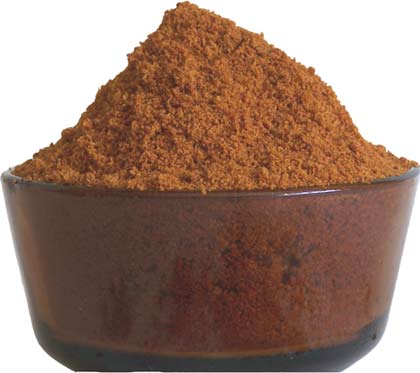
Mace is the delicate, lace-like aril that surrounds the nutmeg seed inside the fruit of Myristica fragrans, a tropical tree native to the Banda Islands of Indonesia. When the fruit is harvested and opened, the vivid red or orange mace is peeled away, dried, and sold whole (as “blades”) or ground.
Flavor Profile
Mace is like nutmeg’s more refined, elegant sibling — warm, sweet, and slightly floral with a finer, less resinous quality. The flavor is similar but lighter and more aromatic, with hints of cinnamon and pepper. Where nutmeg can be heavy-handed, mace is delicate.
Best Uses
Savory: Béchamel and cream sauces (classical French cooking calls for mace in a white sauce), pâtés, terrines, sausages and forcemeat, meat pies.
Sweet: Custards, rice pudding, spiced cakes, doughnuts, fruit pies. Mace is traditional in British fruit cake and mulled wine.
Drinks: Eggnog, mulled cider, spiced hot chocolate.
Whole Blades vs. Ground
Whole mace blades can be added to stocks, sauces, and pickling brines then removed before serving. Ground mace distributes evenly in baked goods and spice blends.