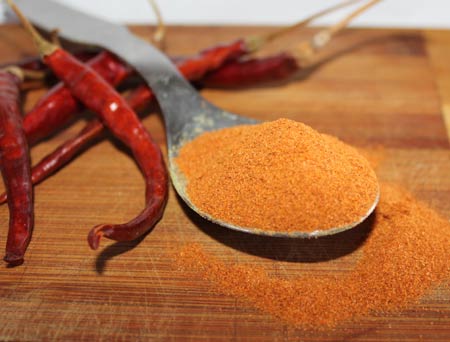
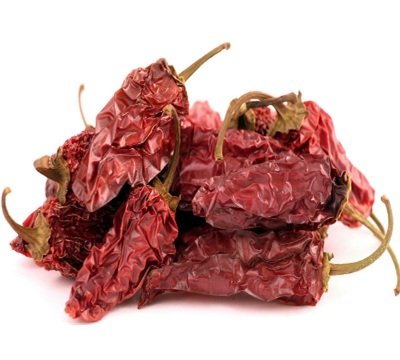
Dried chili peppers are one of cooking’s great transformative ingredients. Fresh and dried versions of the same pepper are almost completely different ingredients — drying concentrates sugars, develops smoky and fruity complexity, and transforms texture. Learn which dried chili to reach for and when.
Common Varieties
Ancho (dried poblano) — Deep burgundy-red, mild heat (1,000–1,500 Scoville), rich chocolate and plum notes. Essential for mole sauces.
Guajillo — Brick-red, mild-to-medium heat, bright tangy flavor with hints of cranberry. The workhorse of Mexican red sauces and chile colorado.
Pasilla — Dark brown, long and narrow, medium heat, earthy and herbal with notes of dried berry. Key ingredient in mole negro.
Chipotle — Smoked dried jalapeño. Medium heat with deep smoky, leathery flavor. Essential in adobo sauces.
Cayenne — Bright red, small, fiery (30,000–50,000 Scoville). Pure clean heat for adding firepower without flavor distraction.
Arbol (Chile de Árbol) — Slender, bright red, very hot. Used whole in oil to infuse heat into Mexican and Sichuan cooking alike.
Basic Technique: Rehydrating Dried Chilies
- Remove stems and seeds (seeds add bitterness, not heat)
- Toast briefly in a dry skillet — 20–30 seconds per side until fragrant
- Submerge in hot water for 20–30 minutes until pliable
- Blend with soaking liquid (or discard if bitter) into a smooth sauce